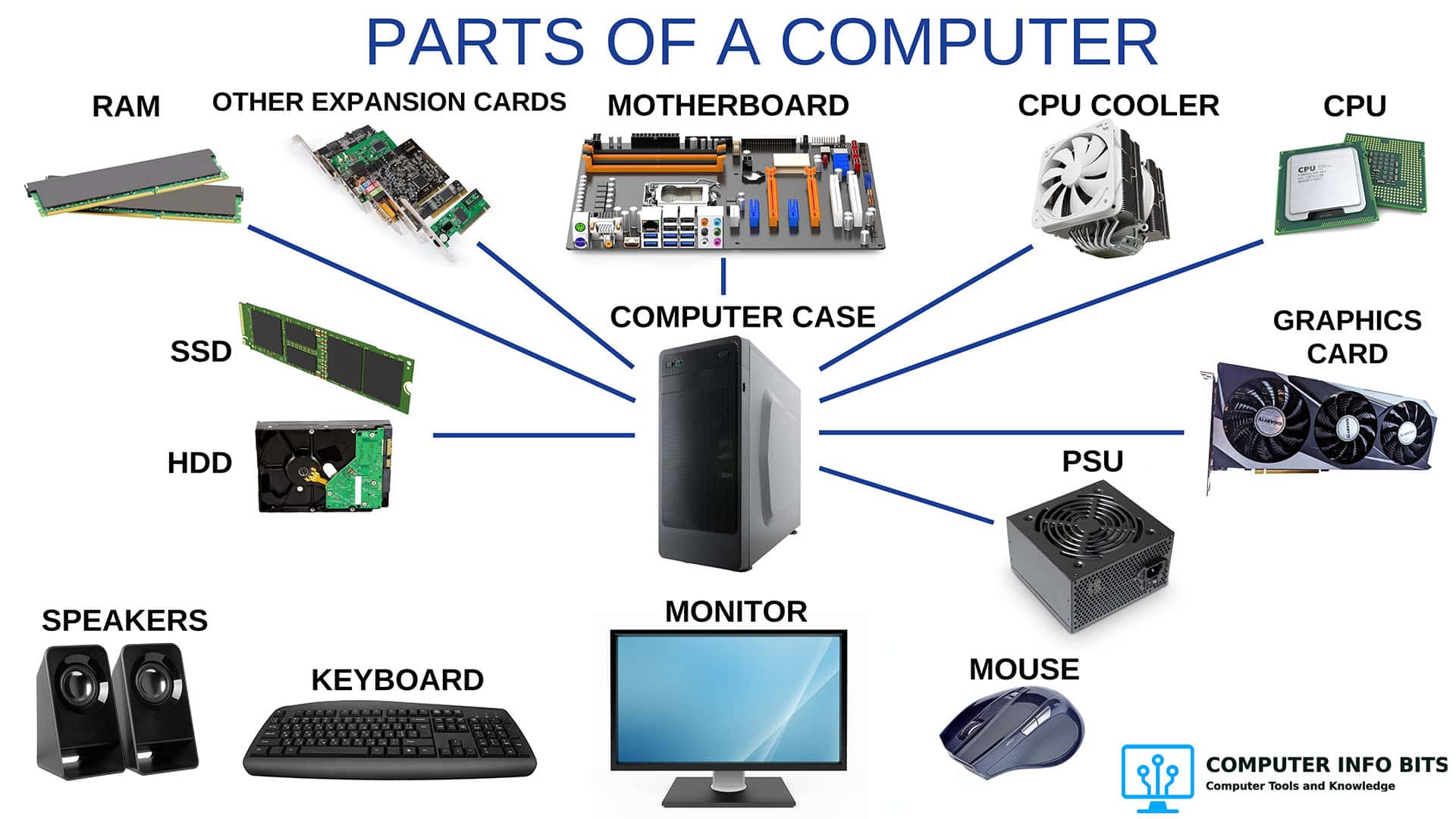
1. Start with the whole PC
Parts of a Computer and Their Functions
Use the overview diagram to put a name to each main component before exploring the individual parts in more detail.
Identify every PC part →Computer Guides and Tutorials help you identify PC parts, investigate hardware problems, and plan upgrades for a Windows PC. New to the hardware? Follow the reading order below. If something is wrong, choose a symptom to find your first checks.
New to PC hardware? Read these five guides in order. Start with the whole computer, then explore its connections, processor, startup process, and display. If you already know the basics, skip to the part you want to understand.
1. Start with the whole PC
Use the overview diagram to put a name to each main component before exploring the individual parts in more detail.
Identify every PC part →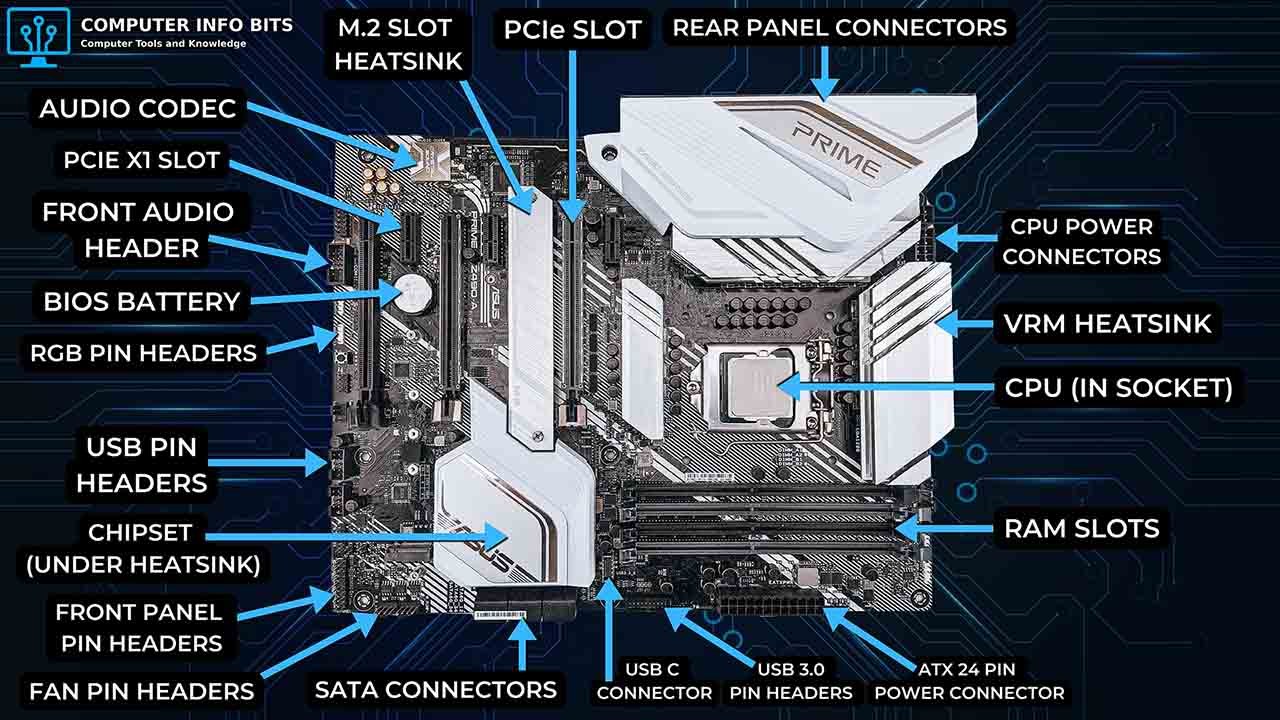
2. Find the connections
Move from the full PC to its main board. Locate the sockets, slots, and ports for the parts you just learned about.
Identify motherboard parts →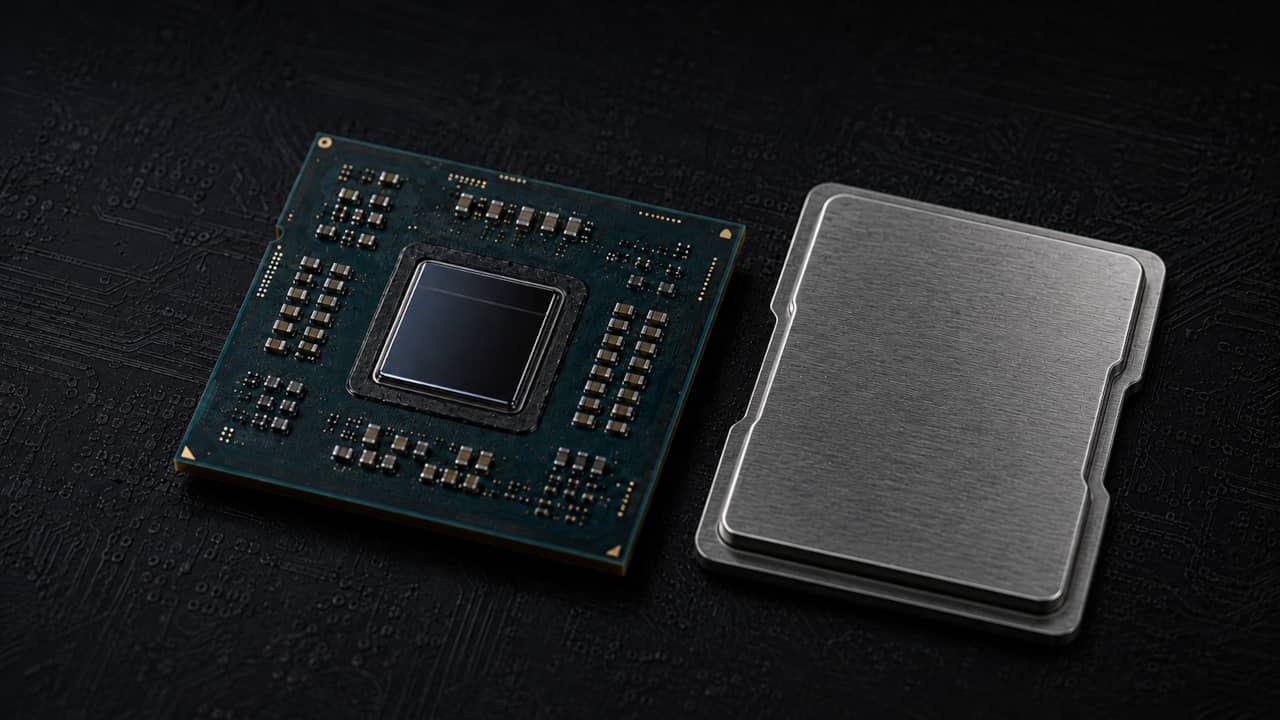
3. Look inside the processor
With the CPU's place on the board clear, explore its internal parts and follow how they work through an instruction.
See how a CPU works →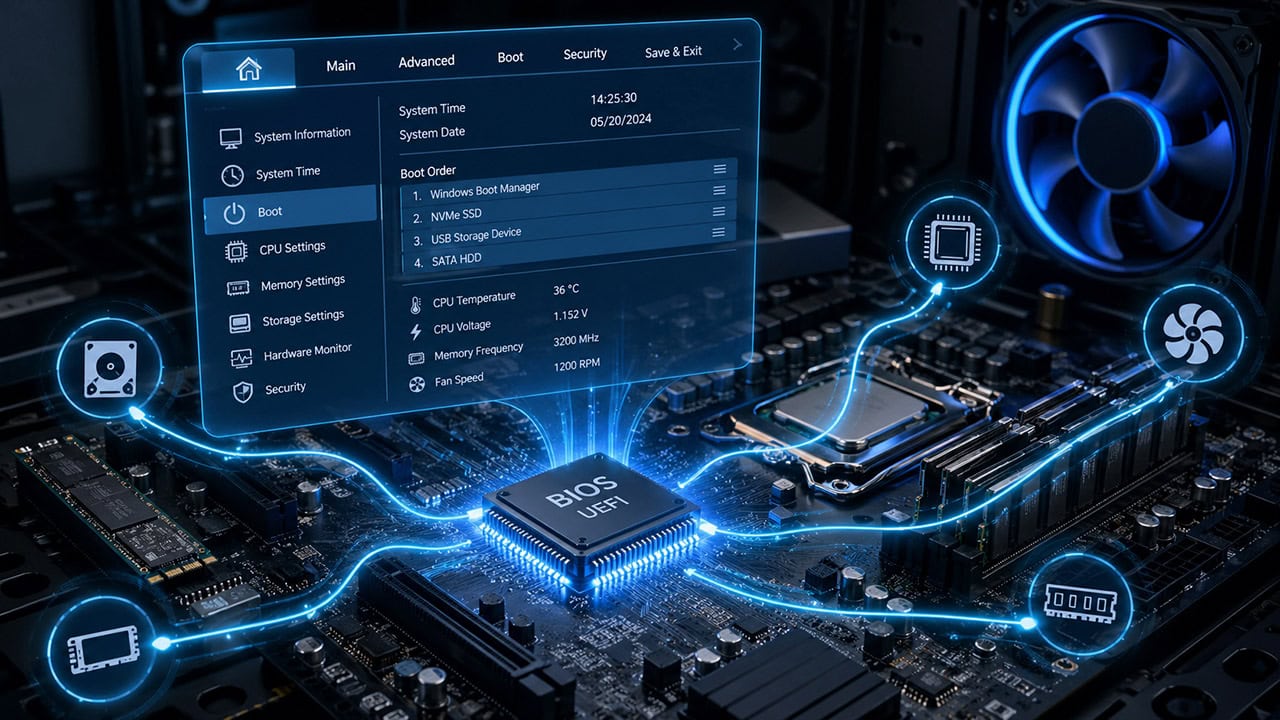
4. Follow the startup process
Follow the steps between pressing the power button and loading Windows, then get familiar with BIOS and UEFI settings.
Understand BIOS startup →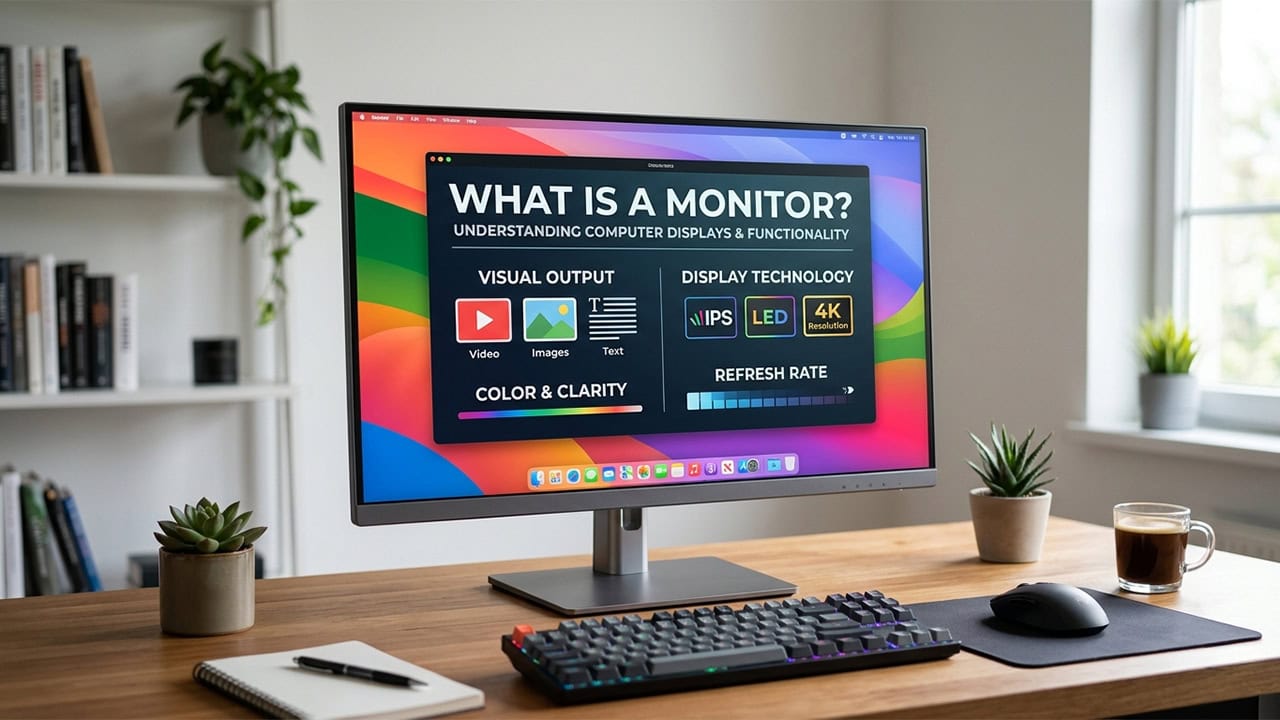
5. Understand the display
Finish with the screen you use every day. Learn how to read panel, resolution, refresh rate, and connection specifications.
Compare monitor types →Write down what happens, when it started, and any recent changes. Choose the closest symptom below, work through one guide, and record the results before moving to another test.
A freeze alone does not identify the failed part. Intel's system freezing checklist covers several possible causes, including heat, power, memory, and software.
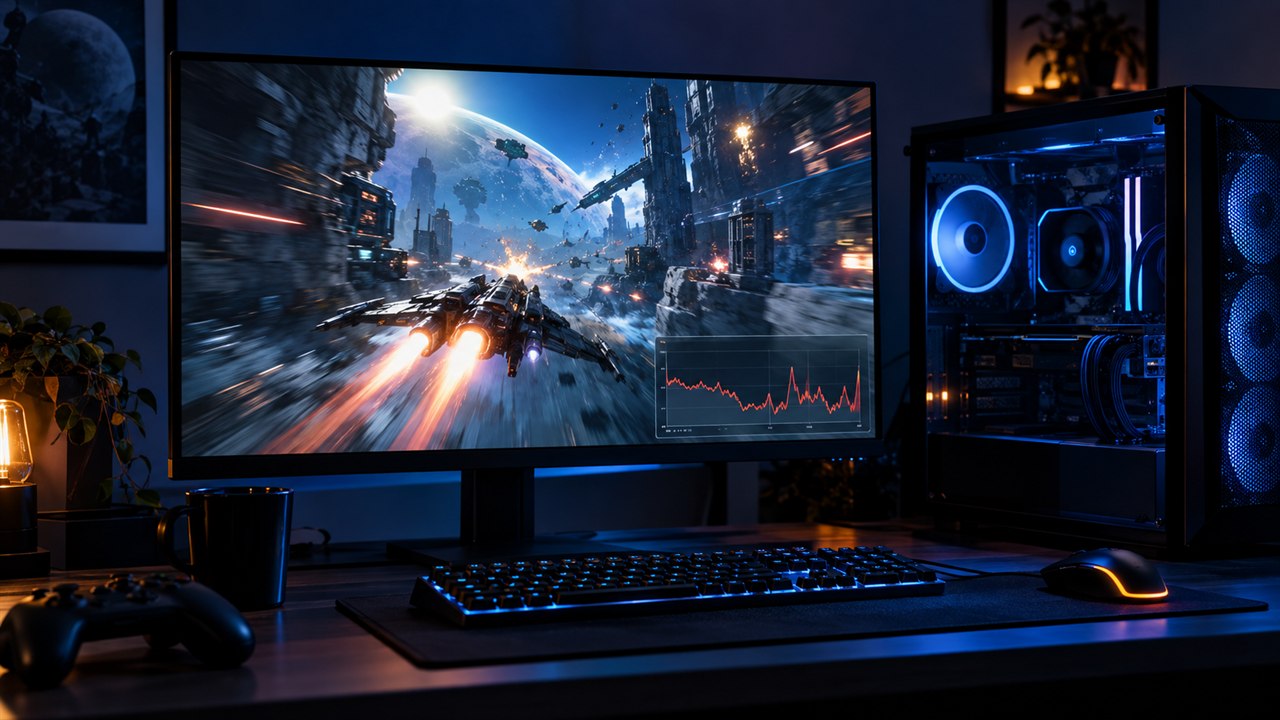
Lower FPS than expected
Compare like-for-like game settings, test frame caps and GPU load, then check power and heat before changing hardware.
Find the cause of low FPS →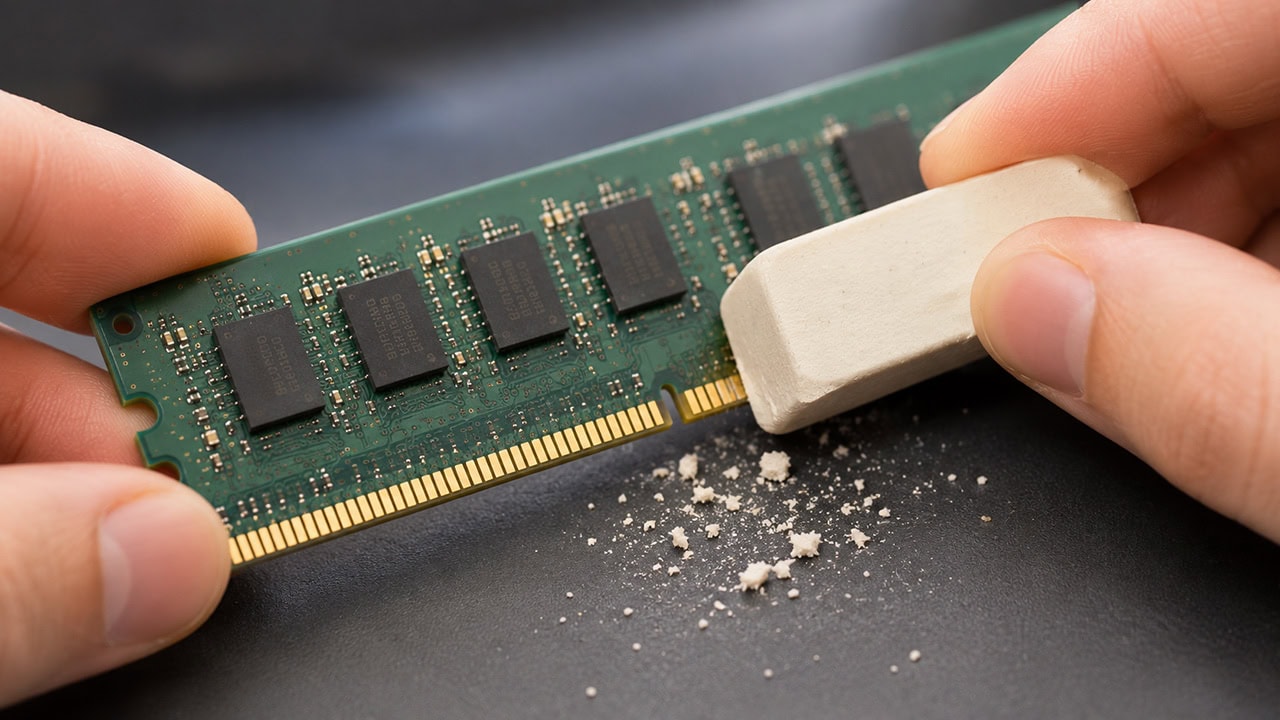
Checking a RAM connection
Read the cleaning precautions before removing a stick, then follow the guide to reseat it and check for a change.
Clean RAM contacts safely →Choose a specific goal before buying parts or changing settings. Note your current results, make one change, and compare afterward. Use the guides below for case cooling or Windows sign-in.
For a slow Windows PC, try Microsoft's PC performance checks before shopping. They cover startup apps, storage space, updates, and other fixes to try with your current hardware.
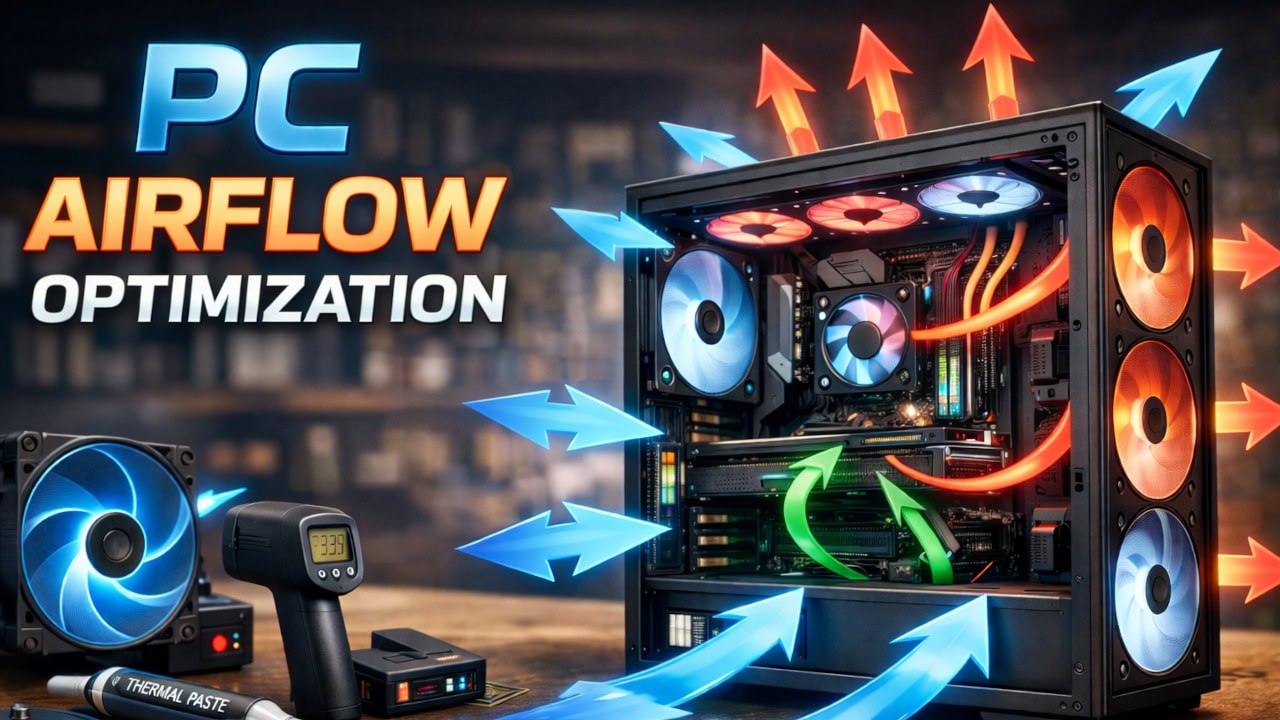
Improve case cooling
Use this after checking temperatures or when planning a desktop build. Work through fan placement, airflow direction, and cooling checks.
Set up better airflow →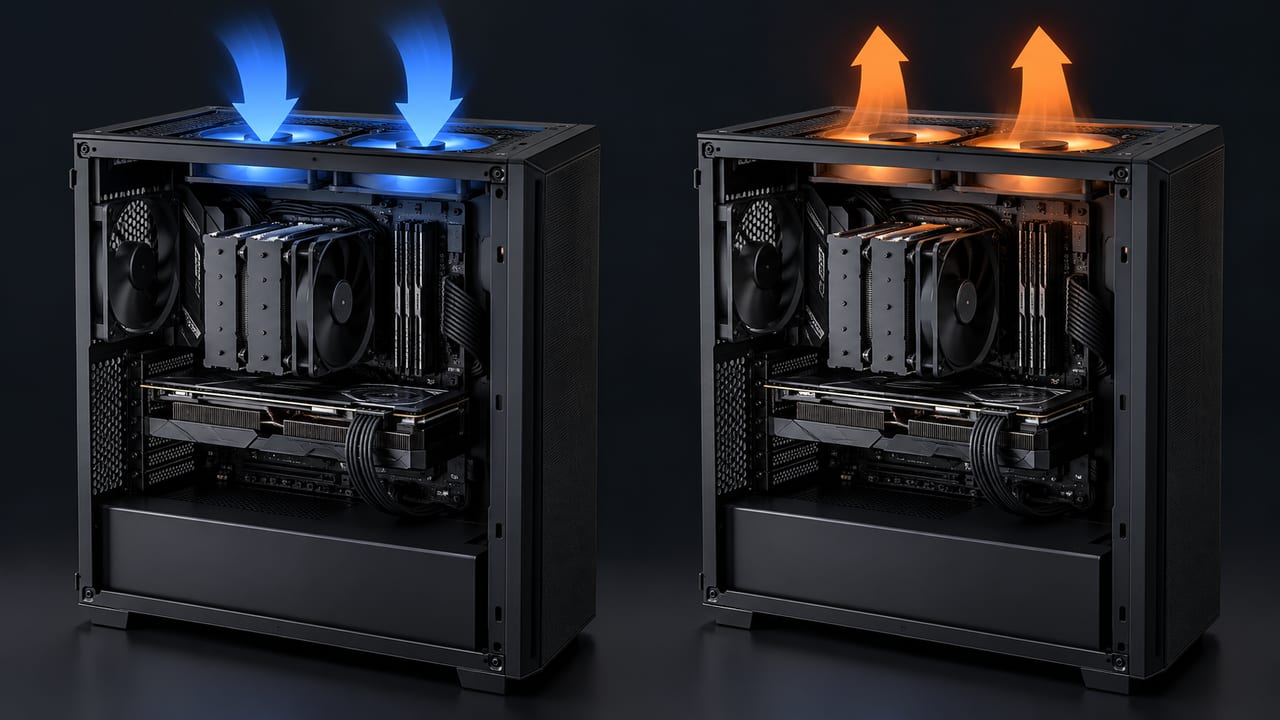
Set the roof fans
See which way roof fans should blow in a front-to-back case, the one mount where intake can help, and how to set a top radiator.
Point your top fans the right way →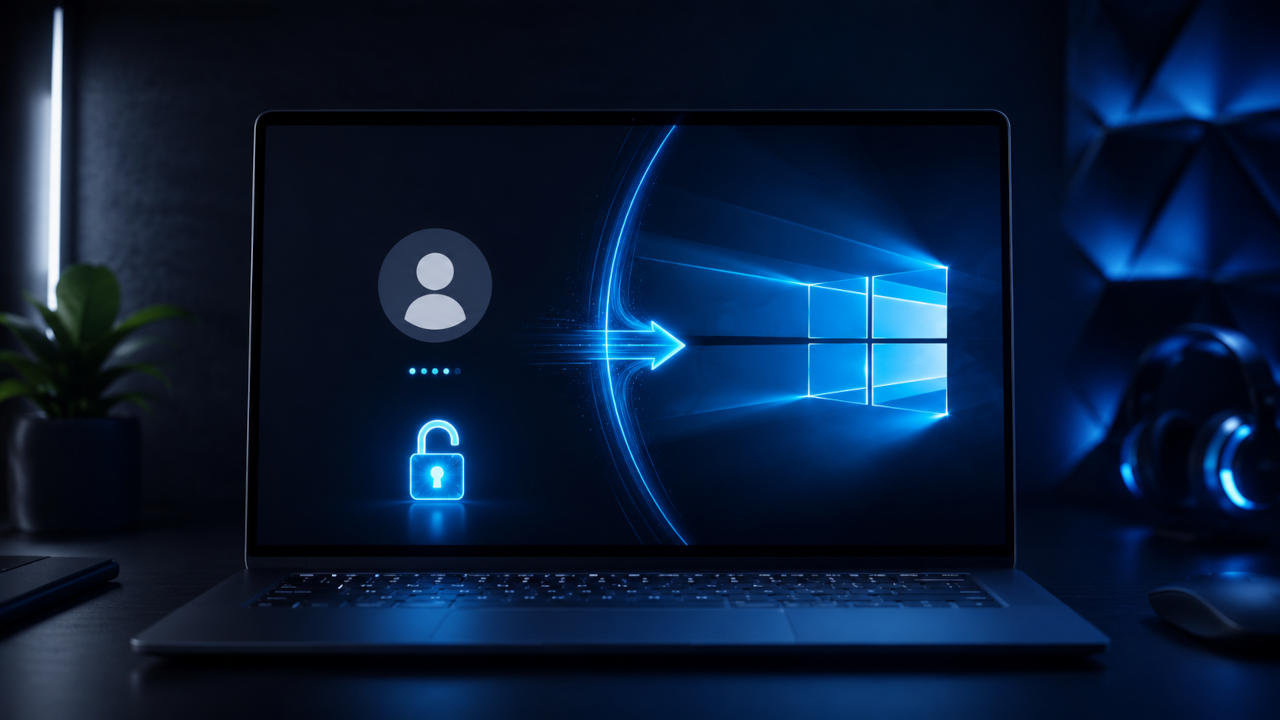
Change Windows sign-in
For sign-in convenience, compare the setup methods and their security tradeoffs before choosing one for your computer.
Set up automatic login →Marlo Strydom writes these guides from more than 20 years of work with computer hardware, Windows systems, electronics, and technical support. If your topic is missing, suggest it through the contact page.
Suggest a computer topic →